Seasonal Wellness: How to Maintain Your Immune System Through the Winter as a Vegan
As the days grow shorter and the temperatures drop, our bodies face new challenges; from reduced sunlight exposure to the increased spread of colds and flu. Maintaining optimal nutrition and immune function through the winter requires mindful choices that balance plant-based nutrition with seasonal wellness habits.
Here’s how you can stay energised, happy and healthy all winter long.
Prioritise Key Immune-Supporting Nutrients
Winter wellness starts with the right fuel. What energy can we feed ourselves to provide optimum health? A vegan diet can provide all the nutrients you need for a strong immune system, but some vitamins and minerals might need a bit more attention in the winter.
Why it matters: We all know Vitamin D as the ‘Sunshine Vitamin’ (something we don’t get a lot of here in the UK)! Vitamin D is important to support healthy bones and teeth, the immune system and it’s also needed for muscle function, heart and cardiovascular health, and brain development”.
Winter challenge: We all know how tempting it is to curl up on the sofa the moment it starts getting dark at 4pm! Shorter days however, mean less sunlight exposure, which can contribute to lower vitamin D levels.
Action: Vegan sources of Vitamin D: Things like fortified plant milk, some cereals and fruit juices can provide some Vitamin D. Consider a daily supplement, most adults benefit from 2000 - 4000 IU of Vitamin D3 during the winter months.

Why it matters: Probably one of the best known of the vitamins, Vitamin C plays an important role in supporting a healthy immune system. It contributes to normal collagen formation, which is essential for the normal function of bones and cartilage. Vitamin C is also an antioxidant, so it can help to prevent and alleviate inflammation.
Winter challenge: The colder months can lead to reduced availability of fresh produce. Some shops may import these but this can be unsustainable and the nutrient content can decline during transport and long storage times. We sometimes gravitate towards hot meals during the cold months and Vitamin C is heat sensitive so prolonged cooking can destroy it!
Action: Vegan sources of Vitamin C : When fresh fruit and Veg are in short supply, why not try to use frozen fruits and veggies. You can even freeze them yourself in the warmer months at peak freshness, locking in vitamin C.
Adding a vegan Vitamin C supplement in the winter can help provide the extra your body needs when fresh fruits are in short supply.
You can also find local winter produce such as root vegetables like brussel sprouts, red cabbage and radishes for a sustainable Vit C boost.
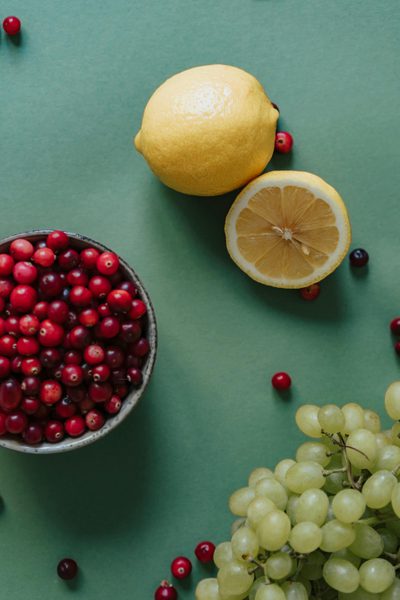
Why not try adding a squeeze of lemon to some warm water or a herbal tea to sneak in extra vitamin C.
Why it matters: B12 has such a wide range of benefits not limited to supporting healthy red blood cell production, improved bone health, boosted energy levels and improved brain function and focus.
Winter challenge: With the long nights, it can be easy to feel less energised which in turn can lead to high levels of fatigue and low mood. B12 might be the boost you didn’t know you needed!
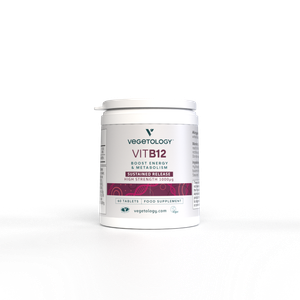
Action: Vegan sources of B12: Fortified food, plant-based milks, yeast extract and B12 supplements. We have an instant release B12 for that boost right away. Or you could try our Sustained release for a gradual release throughout the day.

Why they matter: Both minerals support immune response and help your body fight infections. The body needs iron as a vital mineral to keep our bodies healthy, especially for making red blood cells and delivering oxygen. It’s also hugely important for many of the body’s other functions. These include our growth and development as well as general energy and focus, gastrointestinal processes, the immune system, and the regulation of our body temperature. Zinc also supports normal growth and development during pregnancy, childhood and adolescence. Having enough zinc is important for skin health and for wounds to heal and repair, as well as boosting our metabolism and immune system to keep us healthy.
Winter Challenge: So many high Iron and Zinc sources of food are seasonal and may be less available in the winter. You may find yourself reaching for a hot cup of tea or coffee more often too during the colder months but did you know that tannins can reduce iron absorption too. Plant-based zinc is bound to phytates (natural compounds in grains and legumes) that reduce absorption.
Action: Vegan sources of Iron and Zinc:
Iron: Foods like lentils, tofu, pumpkin seeds, spinach, and quinoa. Pair with vitamin C rich foods (like sweet potato or broccoli) to boost absorption.
Zinc: Chickpeas, cashews, hemp seeds, and oats.
Consider switching to low-tannin alternatives such as peppermint or chamomile tea.
Focus on Whole, Warming Foods
In winter, we can all be guilty of craving warmth and comfort and this can extend to what we eat. The key is to choose nutrient-dense, plant-based comfort foods that nourish and energise.
Soups and stews: Lentil soup, chickpea chilli, and miso broth are immune-friendly and hydrating.
Root vegetables: Roast carrots, sweet potatoes, and parsnips for fibre and antioxidants.
Whole grains: Brown rice, quinoa, and barley offer slow-release energy for shorter days. Sauerkraut, kimchi, and plant-based yogurts promote gut health which is a key component of immune defence.
Fermented foods: Sauerkraut, kimchi, and plant-based yogurts promote gut health which is a key component of immune defence.

Support Your Body with Healthy Lifestyle Habits
Your immune system thrives when your whole lifestyle supports balance and rest.
Get Outside (Yes even when it’s cold!)
Daylight exposure helps regulate your circadian rhythm and supports vitamin D synthesis. Bundle up and aim for at least 15–20 minutes outdoors daily.
Prioritise Sleep
Aim for 7–9 hours per night. A consistent sleep schedule boosts immune cell activity and reduces inflammation.
Stay Active
Moderate exercise like yoga, brisk walking, or indoor cycling can strengthen your immune system. Listen to your body and avoid overtraining if you’re feeling run down.
Manage Stress
Chronic stress suppresses immunity. Try journaling, meditation, or mindful breathing to stay grounded during the darker months.
Stay Hydrated
Even in cold weather, dehydration can sneak up on you. Sip herbal teas or warm lemon water to stay hydrated and soothe your throat.
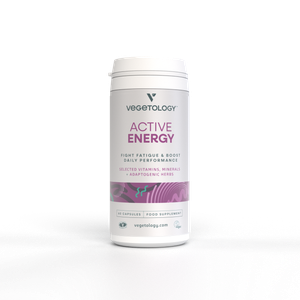
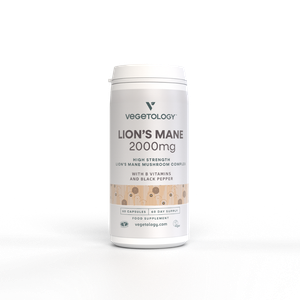
Why not have a look at some of our most popular supplements to help get you through the winter:







Brain fog, poor focus, and low mood, the nutritional angle most people overlook
Brain fog, poor focus, and low mood often have a nutritional explanation and DHA, Lion's Mane, B12,…
Fish oil vs algae oil, what's actually different (and what isn't)
Algae oil and fish oil contain the same DHA and EPA molecules, because fish don't make it themselve…
Your brain is 60% fat. Here's what that actually means.
Your brain is built from fat, specifically DHA and here's what that actually means for why Omega-3 …
Calcium is Only Half the Story
Why bone health needs three nutrients working together, not one working alone